

There are many struggles patients face behind closed hospital doors that most people never see or rarely talk about. A patient winces while trying to lift an injured arm. A caregiver spends 20 exhausting minutes helping someone change clothes that should have taken two.
This eventually becomes physically painful, emotionally draining and frustratingly complicated during recovery for those patients. And that’s exactly why adaptive fashion like short capes accessories is gaining attention – not for style alone, but for survival, comfort and of course – dignity.
Why Dressing Can Be Difficult for People with Limited Mobility
For many patients, getting dressed is no longer a quick part of the morning routine. Something as simple as pulling a shirt overhead can become painful when shoulder stiffness, arthritis, surgery recovery or stroke related mobility limitations are involved. Even lifting both arms evenly may feel impossible on difficult days.
At the same time, balance and coordination issues can make standing during dressing unsafe. Because of this, caregivers need assistance with every movement – which turns a basic task into a time consuming, physically straining and not to mention overwhelming process.
What Are Adaptive Short Capes?
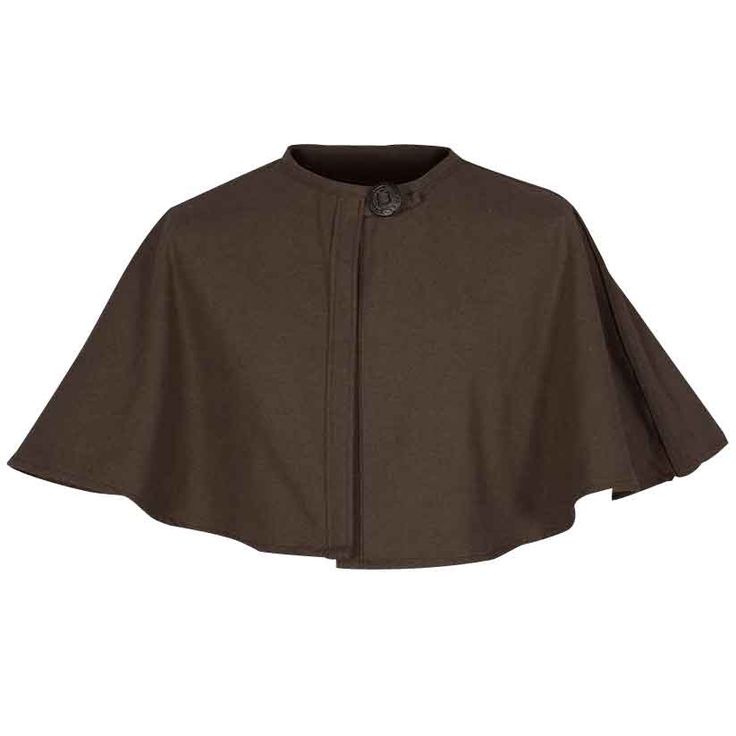
Adaptive short capes are what clothing looks like when it actually provides comfort to the person wearing it. It is a high functioning wardrobe that replaces traditional, restrictive jackets and cardigans. It delivers the warmth and style of standard outerwear – but without the physical struggle required to put one on.
If you are dealing with chronic pain, injury, or limited mobility – our short cape fixes this by simply draping over the shoulders. It completely removes the need for arm rotation, making it effortless to put on whether a patient is sitting, standing or resting in bed.
Still struggling with standard clothes every morning? Check out our guide on Why Adaptive Clothing Is the Right Choice for Adults to see how the right wardrobe can save your time and energy.
4 Key Benefits of Short Capes for Patients
Everything about short capes accessories is simple. It should make life easier, not more complicated. That is exactly why short capes are becoming a priority option for both patients and caregivers. But how exactly do they help in everyday situations? Take a look below:
1- Easier Dressing with Reduced Movement
- The open front design means zero lifting, twisting or forcing stiff joints into tight sleeves.
- Magnetic snaps make dressing easy for anyone dealing with arthritis or shoulder pain.
- We use ultra lightweight fabrics that avoid the heavy feel of traditional jackets.
2- More Comfortable for Wheelchair Users
- Shorter lengths prevent fabric bunching behind the back while seated.
- Flexible designs improve comfort during extended wheelchair use.
- Open structures allow easier layering without restricting movement.
3- Added Warmth Without Heavy Outerwear
- Patients stay warm without wearing bulky jackets indoors.
- Breathable fabrics help regulate comfort throughout the day.
- Lightweight layering works well during hospital stays or recovery periods.
4- Maintaining Style, Dignity and Confidence
- Adaptive clothing should still feel stylish and personal.
- Patients feel more confident in clothing that looks intentional rather than medical.
- Modern short capes accessories help individuals maintain independence
Short Capes Help Caregivers During Dressing Assistance
Caregivers already manage physically demanding routines every day. Because of this, clothing that eases the whole dressing process can reduce stress during patient care. The good news we bring is that instead of struggling with restrictive garments – adaptive short capes make the process smoother and safer for everyone wearing them.
- Faster and simpler dressing routines: Our open access clothing saves the time you need to change your clothes.
- Less physical strain on caregivers: Reduces lifting and arm manipulation which minimizes caregiver fatigue.
- Improved safety during clothing changes: Easier dressing movements help lower the risk of falls or discomfort.
- Better comfort for patients during assistance: Softer fabrics and accessible closures reduce irritation and pressure points.
Who Benefits Most from Adaptive Short Capes?
Adaptive short capes support a wide range of mobility and recovery needs. While every patient experiences different challenges – these garments are useful for people who require assistance during dressing or spend long hours seated.
- Seniors in assisted living
- Wheelchair users
- Stroke recovery patients
- People living with arthritis or Parkinson’s
- Individuals recovering from surgery
4 Tips for Choosing the Right Short Cape for Daily Care Needs
Not every adaptive garment works for every patient. Everyone’s mobility and care needs look completely different – so picking the right cape takes a bit more thought than just choosing a nice color or fabric.
1- Consider the user’s mobility level: Choose designs that match the movement range of the patient, so nothing feels uncomfortable.
2- Prioritize comfort and ease of wear: Lightweight materials and simple closures improve daily usability.
3- Choose designs suitable for wheelchair use: Shorter silhouettes work better for seated positioning and mobility devices.
4- Look for clothing that supports dignity and independence: Adaptive wear should feel empowering, not overly medical.
Check Our Collection of Adaptive Short Capes Designed for Easy Dressing & Daily Comfort!
Wrapping up, we believe that patients deserve clothing that feels comfortable, functional and easy to manage during daily care routines. And alongside the patient, caregivers deserve the comfort provided by short cape accessories that reduce unnecessary physical strain. So, whether someone is recovering from surgery, managing limited mobility or using a wheelchair regularly, the right short capes accessories can make a noticeable difference by providing:
- Assistance during dressing
- Comfort while being seated
- Lightweight layering options for daily comfort
If dressing has been feeling harder than it should – for you or someone you care for – it might be time to switch to something that actually makes daily life easier. Explore our collection of short cape accessories and see how small design changes can make a big difference in comfort, movement and dignity.
Frequently Asked Questions (FAQs)
Q1- Why is adaptive clothing important?
Adaptive clothing helps individuals with mobility limitations dress more comfortably and safely and reduces physical strain during assisted dressing.
Q2- What are the characteristics of the adaptive cape?
Adaptive caps usually feature open front designs, lightweight fabrics, easy closures and comfortable seated wear functionality.
Q3- Are short capes suitable for wheelchair users?
Yes. Short capes are designed specifically for seated comfort, which makes them ideal for wheelchair users.
Q4- What features make adaptive capes easier to wear?
Easy access openings, lightweight materials, magnetic or simple closures and flexible fits all help make adaptive capes easier to wear during daily care routines.



