

Here’s something most of us don’t think about until it hits close to home, Around 8 million Canadians, that equals 27% of us, live with a disability that makes everyday activities harder. And a few things are just part of everyday chores and one of them is getting dressed.
Now picture your own morning, a simple task of getting ready to start the day. Raising your arms, lining up a sleeve, doing up buttons. It sounds simple, right? Now imagine it with a stiff shoulder, a weak grip, or after a stroke. A quick change of clothes or wearing a plain shirt can quickly become the hardest part of the day even for the wearer and whoever’s helping.
That’s exactly why open back adaptive tops exist. They tend to take the strain out of dressing for people with mobility issues due to aging, arthritis, stroke, surgery, or neurological conditions and that too without giving up on style.
Why Clothing Choice Matters in Daily Care?
Of course, getting dressed isn’t just a task to tick off, it’s tied to how we feel about ourselves. Did you know that dressing is even counted among the core activities of daily living that specialists use to measure independence, and it sits right beside eating and bathing. Yes, it’s that common activity and people with mobility issues tend to suffer most when it comes to daily activities.
It’s hard on caregivers too. Easing someone into a tight top often means awkward lifting & twisting, with a real risk of a strained shoulder. The right clothing takes that pressure off, & any part of dressing the person can manage alone is a small win worth protecting.
What Are Open Back Adaptive Tops?
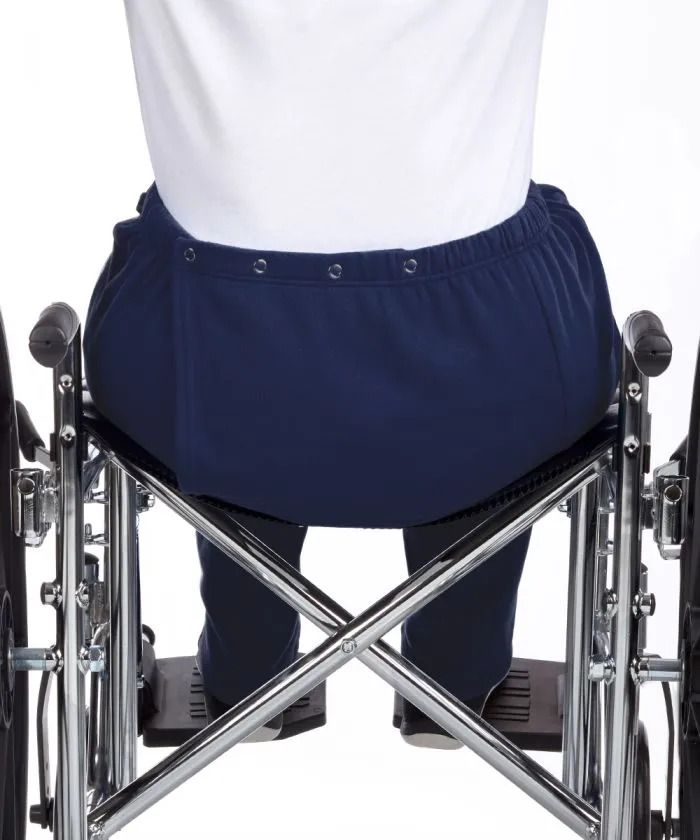
Before we put the two side by side, let’s be clear on what an open back top actually is. The name says it all, really. Instead of a closed top you pull over your head, this one opens right down the back and fastens with snaps, which can be Velcro, or magnetic. From the front, it looks like any other normal top. And the best part is that all the clever stuff sits behind you, out of sight.
That single change is what makes it so much easier for disabled people to wear. There’s no wrestling anything overhead and no dragging fabric across sore, swollen joints. Moreover, someone helping can simply lay the top on from the front, then fasten the back while the person stays comfortably seated. For anyone with limited arm movement, painful joints, or long days in a chair, that’s a real relief and much needed HELP.
What Are Traditional Tops?
Now for the other side of the coin. Traditional tops are the ones we’ve all worn our whole lives and includes pullovers, button shirts, tees, sweaters and what not. They go on over the head or button up the front. Without ever saying so, they assume you can reach, stretch, and do up small buttons without a second thought.
Yes, for most people, most days, that’s perfectly fine. The trouble only starts when mobility changes. A jumper that needs both arms lifted high, or a shirt with a row of fiddly little buttons, can become the hardest part of the morning after surgery or with stiff, aching hands. The thing is that the top hasn’t changed, but the body’s needs change.
Open Back Tops vs Traditional Clothing: A Side-by-Side Comparison
| Feature | Open Back Adaptive Tops | Traditional Tops |
| Ease of dressing | Opens from the back, no overhead pulling | Needs reaching & pulling overhead |
| Comfort while sitting | Sits flat, no bunching behind the back | Fabric can gather & press uncomfortably |
| Caregiver assistance | Quick, with far less lifting | Often needs effort & careful handling |
| Independence | Easier even with limited movement | Can be tough to do alone |
| Safety during dressing | Less twisting & strain | More movement, higher risk |
| Appearance & style | Looks like a regular top from the front | Familiar, wide range of styles |
Situations Where Open Back Tops May Be the Better Choice
Open back tops aren’t a one-size-fits-all fix, and they won’t be the right call for everyone. But there are certain situations where they genuinely shine, usually the ones where reaching, gripping, or twisting has become painful or just isn’t possible anymore. If any of these sound familiar, an open back design is well worth a look, because it is best for:
- Limited Shoulder Or Arm Mobility: No lifting arms overhead, which is usually the movement that hurts the most.
- Arthritis & Joint Pain: Snaps & magnets skip the fine finger work that stiff, swollen hands struggle with.
- Stroke Recovery: A weaker side can be dressed gently, without anyone forcing the arm into place.
- Wheelchair Users: The best part is that everything happens while seated, with no standing or shifting needed.
- Parkinson’s or MS: Simple closures are a big help when tremors or diseases turn buttons into a battle.
- Assisted Dressing At Home Or In Care: Family & staff can help easily and faster, with far less strain on anyone.
Benefits Caregivers Often Notice with Open Back Clothing
Now here comes the question whether open back tops are really good for caregivers? Well, caregiving is made up of a hundred small routines and other chores, and definitely, getting dressed is one that rolls around every single day. Ask anyone who does it regularly & they’ll tell you the little things add up fast, even the frustrations just as much as the wins. Here’s why open back clothing tends to nudge a few of those daily moments in the right direction:
- Faster Dressing Routines: What used to take twenty painful minutes can drop to just a few.
- Less Physical Strain: No heavy lifting or awkward angles to feed an arm through a sleeve.
- Easier Transfers & Positioning: The person can stay seated or lying down for the whole thing.
- More Comfortable: Less tugging and pulling means less pain, with a lot more dignity.
What to Look for When Choosing an Adaptive Ladieswear Top
Here’s the thing, though: not every adaptive top is made to the same standard, & the details really matter when something’s worn all day long. A good one should feel comfortable, slip on easily, & still look like something the wearer actually picked out for themselves. If you’re browsing adaptive ladieswear tops, these are the features worth checking for:
- Soft, Comfortable Fabrics: Breathable materials that won’t irritate sensitive skin over a long day.
- Mobility-Friendly Construction: Roomy cuts & a bit of stretch, so nothing pulls or pinches.
- Secure But Easy Closures: Magnets, snaps, or Velcro that hold firm yet open without a fight.
- A Good Fit Seated & Standing: Cut to sit right whether they’re in a chair or up on their feet.
- Style That Feels Like Them: Must be personalizable and colours & designs should match the patient, never anything that reads as a hospital gown.
How to Decide Which Option Is Right for You or Your Loved One
Honestly, there’s no single right answer here, & anyone who says otherwise is overselling it. The best choice comes down to the person, their comfort, & what their days actually look like. So rather than guessing, it helps to sit with a few honest questions before deciding:
- Look At Current Mobility: How much reaching, gripping, & bending can they manage comfortably right now?
- Think About Daily Help: Is someone assisting with dressing, & how tough is it on them?
- Put Comfort & Safety First: If getting dressed brings pain or unsteadiness, that’s really your answer.
- Choose What Supports Confidence: The best option is whichever one lets them still feel like themselves.
Explore Adaptive Ladieswear Tops by Kayden Design!
At the end of the day, this isn’t really open back versus traditional. It’s about what lets someone get dressed with less pain, less struggle, & a bit more independence. For many people with limited mobility, open back designs quietly manage all three, without ever looking clinical.
That’s the whole idea behind Kayden Design. They’re a Canadian company on Vancouver Island that handcrafts adaptive clothing around comfort, dignity, & soft, breathable fabric, because everyone deserves to feel good in what they wear. Browse their adaptive ladieswear tops & you’ll find something that makes dressing easier for you or someone you love with mobility issues.
Frequently Asked Questions (FAQs)
Q1. What clothes are comfortable for wheelchair users?
Mostly anything that goes on without standing or reaching. Think back-opening tops, soft stretchy fabrics, & elastic-waist bottoms with flat seams that won’t dig in while you’re sitting all day.
Q2. What is the 3-3-3 rule for clothing?
It’s a simple capsule-wardrobe idea: pick 3 tops, 3 bottoms, & 3 pairs of shoes that all go together. Mix & match & you get about 27 outfits from just 9 pieces. Handy for cutting the morning guesswork.
Q3. What clothing tailored to accommodate people with disabilities are commonly known as?
That’s adaptive clothing. It’s regular everyday clothes reworked with things like open backs, magnetic buttons, & Velcro, so getting dressed is easier for anyone with limited movement or grip.
Q4. What are the best types of clothes for residents who need assistance with dressing?
Adaptive ones win here, especially open back tops & side-fastening designs with magnetic or Velcro closures. They let a carer help quickly & gently, with far less lifting, & keep the person comfortable & covered throughout.



