

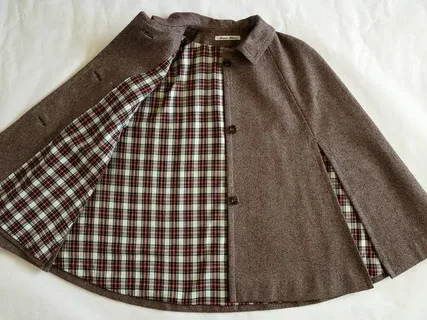
So… you are all dressed and ready to step outside for a coffee date, but what if getting your coat on feels like trying to squeeze through a tiny window… uh. You reach behind your back, your elbow locks up, and suddenly getting dressed feels like a struggle that you never signed up for in the first place. When shoulder stiffness or post-op healing limits your arm movement, traditional jackets stop being helpful and start feeling like Olympic challenges.
And if you have ever fought with a stiff sleeve when your joint mobility is down, you know that sudden wave of frustration all too well. And it is a remarkably common struggle, too… According to data over 15 million surgical procedures are performed across the United States every year, leaving millions of people navigating strict upper-body movement limits.
According to data published by the American College of Surgeons (ACS), over 15 million surgical procedures are performed across the United States every year, leaving millions of people navigating strict upper-body movement limits. Additionally, even CDC has reported that mobility is the most common disability among US adults, affecting about 1 in 7. And when we look at numbers within Canada, it tells the same story, where 10.6% of Canadians aged 15 and over had a mobility disability in 2022, and that figure rises to 25.5% for people 65 and older.
Trying to force rigid armholes over tender joints turns what should be a simple two-minute task into an exhausting battle. That is precisely why specialized adaptive capes are such a breath of fresh air. Below, we cover how the right cape eases everyday layering while giving you back your morning independence without the physical fight.
Why Does the Right Adaptive Cape Matter for Daily Use?
Imagine getting ready for a fun family lunch, but ending up stuck by the front door for twenty minutes just wrestling with a heavy jacket. Oof. When arthritis flares up or you’re healing from surgery, putting on a simple coat turns into a total nightmare. Forcing your arms into tight sleeves does way more than just hurt…it completely ruins your mood before you even step outside.
Plus, here the problem is that standard jackets expect your arms to twist and reach without any trouble. They force you to bend your elbows, reach behind your torso, and push through tight sleeve openings. And when your body is sore or stiff, the fight with a stiff fabric can pull on fresh stitches… which triggers sharp pain.
Getting dressed should make your life easier, not harder. Research shows that up to 67% of people recovering from upper-body surgery deal with long-term shoulder stiffness. Trying to push through that kind of pain with regular clothes is just asking for a setback.
Switching to a good adaptive cape gets rid of that struggle entirely. With a wide, flowy drape, you can cozy up in two seconds without even bending your elbows or reaching behind you because adaptive crap can be worn flat. So, you get back your morning independence, keep yourself warm and give fresh stitches time to heal.
Adaptive Cape vs. Traditional Outerwear: What Should You Consider?
Anyone with stiff or sore shoulders knows how a morning can go wrong at the closet door. Traditional coats expect you to lift your arms high and bend your joints without complaint, so putting one on can really hurt if you have a mobility challenge. Whereas, an adaptive cape rests over your torso instead, which leaves the sleeves along with the friction they cause out of the picture.
Choosing between traditional jackets and specialized adaptive outerwear isn’t just about picking a style… it comes down to functional freedom and zero-reach design. To help you see how purpose-built capes protect your joints during daily wear, here is a quick look at how the two compare across essential recovery features:
| Feature | Adaptive Cape | Traditional Coat / Jacket |
| Arm Entry | Sleeve-free drape for zero overhead reaching | Narrow sleeves requiring joint bending and twisting |
| Seated Comfort | Shortened back length stops bunching in chairs | Excess fabric that bunches up behind your back |
| Caregiver Access | Fast front or shoulder open access for easy help | Requires physical lifting and joint movement to fit |
| Fastening Effort | Soft magnetic strips or large front snaps | Tiny zippers or stiff buttons needing fine motor skills |
| Fabric Weight | Lightweight, warm knits that feel weightless | Heavy, rigid materials that press down on shoulders |
| Layering Ease | Fits smoothly over thick sweaters or wraps | Snug armholes that bind over bulky inner layers |
| Dressing Speed | Slips on in seconds without physical strain | Takes several minutes of awkward positioning |
3 Key Features to Look for in an Adaptive Cape
Stiff shoulders and zippers don’t mix. You line up one side, your arm gives out halfway, and you start over. It’s a small thing, but it can set the tone for the whole morning. A good cape saves you that trouble and still looks nice with whatever you’re wearing.
When you compare capes or purchase a new one, look for these three things.
- Wide Open Shape: It goes on over your shoulders, so there’s no raising your arms high.
- Soft, Light Warmth: Breathable knit that keeps you warm but stays off your stiff joints and surgery stitches.
- Closures for Weak Grip: Magnetic strips or flat back snaps close without much finger strength.
How Should an Adaptive Cape Fit for Everyday Comfort?
Try sitting down in a regular winter coat and see what happens. The front bunches over your lap and the sleeves tug at your elbows. Coats are cut for people who stay on their feet with their arms swinging freely. A cape suits a sitting day much better, since it should feel like a warm blanket you’ve pulled over your shoulders.
If you’re healing from surgery, pay attention to how it feels across your chest and back. Anything snug can rub tender or swollen spots, and you’ll notice it more with each hour. Pick a cape with enough give that you can breathe and settle into a chair without it pressing on you anywhere.
Don’t forget the back hem. Too long, and it ends up trapped between you and the seat of your wheelchair or recliner. After a few hours those creases start to hurt. A shorter, cropped cut keeps clear of the wheels and armrests, so the cape stays put and you stop thinking about it.
Which Cape Design Works Best for Different Mobility Needs?
So where are you in your day right now?
If your shoulders are stiff or an incision is still healing, raising your arms probably feels like a bad idea, and an open-front cape was made for that. Lay it across your chest and you’re done. There’s no twisting and no wrestling, and a caregiver can have it on in seconds too.
Sitting most of the day? Then you’ve probably met the long coat problem. It bunches up behind you and turns into a lump you end up leaning on. A shorter back with a longer front drape over your lap fixes it, so you stay warm without sitting on half your outerwear.
And once you’re getting stronger, side arm slits come in handy. Pop a hand out to grab your mug or answer a call, then tuck it back in when the cold shows up. Pick the design for the stage you’re in, and switch when the stage changes.
What Closure and Fastening Details Should You Check?
We’ve all fought with a tiny zipper pull on a cold morning… and when your joint mobility is limited, that frustration doubles. The right fasteners take all the physical strain out of getting ready so you can save your energy for the rest of your day.
Additionally, it is easy to ignore small things like snaps and magnetic strips until you are actually standing by the front door trying to get dressed with sore, stiff fingers. Hardware design can either make your morning routine feel totally effortless or turn it into an annoying chore. Before deciding on a new cape, keep an eye out for these 05 essential closure details:
- Front-Reach Access: Fasteners placed right along the collar or chest let you close your garment without twisting your arms behind you.
- Easy-Press Closures: Large magnetic snaps and wide touch-tabs shut automatically with a gentle press, saving your hand grip strength.
- Smooth Back Placement: Flat, hidden closures lie completely flush against the fabric so they never scratch tender skin.
- Wide Neck Entry: Generous necklines let the cape slip over your head smoothly without tugging at your hair or messing with your glasses.
- Quick-Release Removal: Soft pull-tabs let you unfasten the cape with one simple tug, making taking it off just as quick as putting it on.
5 Daily Situations to Consider Before Choosing an Adaptive Cape
Not every day looks the same, and the cape that works on Monday might not work on Thursday. A quiet morning at home is nothing like a clinic waiting room. So before you pick one, run through where you’ll really be wearing it. These 05 situations cover most people’s weeks.
- On The Sofa: Soft and airy is the way to go, with enough warmth to stay cozy but not enough to make you hot.
- In The Wheelchair: Short at the back works best, since it keeps your lap covered and stops fabric balling up behind you.
- At The Clinic: A front opening lets the nurse listen to your chest or look at a dressing without you taking the cape off.
- Outside In The Cold: Thicker material that blocks the wind will keep your body heat in.
- Getting Dressed With Help: Wrap-around panels make it simple for a caregiver to put on, with no pulling at tender arms.
How Can You Tell If an Adaptive Cape Will Work With Your Existing Wardrobe?
Here’s a worry that stops plenty of people: will a cape go with anything I own? Usually it will, as long as you check a few things first. Hold it up against your favourite sweater, think about the colours you wear most, and notice how much bulk you’re adding. Nothing here needs a full wardrobe clear-out.
- Shoulder Room: Try it over your thickest sweatshirt and make sure nothing pulls across your back.
- Colour: Neutrals like grey or navy go with most outfits, so you won’t be hunting for a match every morning.
- Bulkiness: A slim, soft fabric keeps the layers manageable, which counts under a seatbelt or wheelchair harness.
Explore Short Capes Designed for Easier Dressing and Everyday Wear!
If there’s one thing worth remembering, it’s that outerwear shouldn’t get harder to wear just because movement is limited. Getting dressed should never feel like an exhausting chore that drains your energy for the day. Which is why the right cape takes the fuss out of getting ready, and leaves you warm and comfortable.
That is exactly why an experienced, dedicated brand makes a difference. Kayden Design is a Canadian company based in Parksville, BC, and its unisex cape comes in long and short lengths for just $45.00. It layers over an outfit without pulling, goes on and off easily while seated, and online orders come with easy returns. Plus, they manufacture soft, stylish adaptive capes that bring back effortless comfort and daily dignity to your morning routine.
- Long and short lengths, so you can pick fuller coverage or easier movement
- A unisex design with effortless open-drap styles that eliminate twisting
- Ultra-soft washable materials that keep you warm without pressing down heavily on tender joints.
Anyone who’s ready to take the physical strain out of their everyday outfit changes should browse Kayden Design’s adaptive capes collection to get hold of an outerwear cape that just understands your mobility challenges. You can also get in touch with the team and ask where to begin, if you find yourself overwhelmed and can’t decide which style to choose.
Frequently Asked Questions (FAQs)
Q1. What are some easy-to-put-on men’s clothes for elderly people?
Think about what’s hardest in the morning: reaching overhead and twisting the arms. So pick open-back shirts, trousers with an elastic waist and jackets that fasten with magnets, plus a cape for the outer layer since it skips the sleeves. Kayden Design makes adaptive menswear and a unisex cape, which saves a lot of catalogue scrolling.
Q2. What kind of adaptive clothing is available for disabled adults?
Quite a lot, actually. Open-back tops, shirts with magnetic closures, pants that zip at the side and capes with no sleeves are the usual starting points. They take strain off the joints and make helping someone dress much quicker.
Q3. What is the best clothing for wheelchair users?
Look for short back hems, flat seams that won’t dig in, waistbands with some stretch and outerwear that opens at the front. All of it keeps fabric from bunching under you and causing sore spots. For the cold, Kayden Design’s short cape is a good fit, since it sits higher and won’t catch in the wheels.
Q4. What are some examples of adaptive clothing?
Examples include magnetic dress shirts, VELCRO-closure shoes, open-back medical tops, sensory-friendly seamless socks, and open-drape capes. They are built to eliminate physical friction during outfit changes. If you are putting together a practical wardrobe for limited mobility, always add a versatile adaptive cape that make layering up for cold weather completely effortless.



