

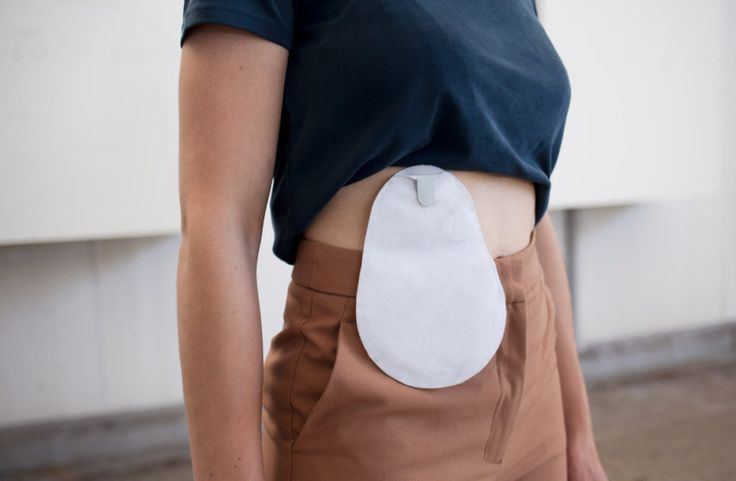
A stoma bag changes a lot. Should your entire wardrobe have to change, too?
For most people, the answer is no. Your favourite jeans and sweaters may still work. It’s often about finding waistbands that don’t press against your pouch (the bag that collects waste from a stoma), along with fabrics and layers that feel good to wear.
Even when your clothes fit well, the pouch may still rub against your skin or cause sweat to build up underneath it. A soft cover can help absorb moisture and keep the plastic from touching your skin directly. Kayden Design offers 100% cotton stoma bag covers in various prints, with masculine and feminine options.
Your stoma’s position, how much coverage you prefer, and the Canadian weather can all affect which clothes feel right. Here’s how to choose:
- Everyday pieces that suit a pouch
- Clothing options for different stoma positions
- A four-layer outfit formula
- Seasonal swaps for Canadian weather
- Checks before you buy
What types of everyday clothing work well for people with a stoma bag?
Stretch bottoms, fitted base layers, longer tops, relaxed one-piece outfits, and patterned fabrics can all make getting dressed with a pouch easier. Some offer gentle support, while others make the pouch less visible. Here are 5 options to try:
- Stretch bottoms, such as leggings, joggers, and pull-on pants, with waistbands that sit comfortably above or below your stoma rather than pressing against it.
- Fitted base layers, including high-waisted briefs, boxer briefs, or a tucked-in undershirt, that sit close to the pouch without squeezing it.
- Longer tops, like tunics, longline tees, and untucked button-ups, that provide more coverage as you move or bend.
- Relaxed-fit dresses, jumpsuits, and overalls with enough room around your waist to avoid pressing against the pouch.
- Patterned or darker fabrics that can make the pouch outline less noticeable, particularly when the material isn’t thin or clingy.
The best clothes for a stoma bag aren’t necessarily the loosest ones. A loose top may hide the pouch, but it won’t necessarily keep it from moving underneath. A soft, close-fitting layer may help keep the pouch in place, while your outer clothes provide the coverage you want.
That gentle fit matters even more when you’re choosing supportive underwear. In its 2023 Canadian recommendations on parastomal hernia (a bulge beside the stoma), Nurses Specialized in Wound, Ostomy and Continence Canada (NSWOCC) lists control-top underwear or bicycle shorts as options for light support. High-waisted spandex shorts and leggings may offer additional support as you become more active.
But support shouldn’t come at the expense of proper pouch drainage. The same guidance warns that some support garments without an opening for the pouch can restrict drainage and contribute to leaks or pancaking (when stool collects around the stoma instead of moving into the bag).
Your clothing should allow output to flow into the pouch without putting pressure on the stoma. If you need specialized hernia support, an ostomy nurse can help you find the right fit.
Which clothing styles help accommodate different stoma bag positions?
Where your stoma sits in relation to your waistband can affect which clothes feel comfortable. A waistband that clears the stoma when you’re standing may still press against it when you sit.
| Stoma position | Styles to try | Fits to watch for |
| Above your usual waistband | Low-rise or mid-rise bottoms that sit below the stoma, plus longer tops | Stiff, high waistbands that press against the stoma |
| At waistband height | Suspenders, relaxed overalls, dresses and soft pull-on bottoms with waistbands that don’t press on the stoma | Belts and stiff button closures that cut across the stoma |
| Below your usual waistband | High-waisted pants, skirts and briefs that sit comfortably above the stoma and accommodate the pouch | Low-rise cuts that press across the pouch |
| In a belly fold when seated | Soft, flexible waistbands that don’t dig into the fold | Tight seams or stiff waistbands that press into the fold |
Even with a comfortable waistband, your shirt can still ride up when you stand or reach. A longer top or a tucked-in base layer may give you more coverage. If the pouch still peeks out, a printed cover from Kayden Design lets fabric show instead of bare plastic.
How can you build comfortable outfits around a stoma bag cover?
What used to be a five-minute decision about what to wear can become a frustrating round of trial and error when your usual clothes no longer fit comfortably around the pouch. Once you’ve found a cover and base layer that work for you, it’s easier to change your outer pieces without starting from scratch each morning.
Start with the stoma bag cover and build the rest of your outfit around it. Each layer should feel comfortable and not put pressure on the pouch.
- Slip the cotton cover over your pouch so your clothing doesn’t rub directly against the plastic.
- Add a comfortable, close-fitting base layer, such as high-waisted briefs or a fitted camisole, that helps keep the covered pouch in place without squeezing it.
- Use the position table to choose bottoms with a waistband that doesn’t press against your stoma.
- Finish with a longer top or open overshirt that falls past your hips without clinging to the pouch.
If you dress while seated or help a partner or parent who does, check the fit in that position, since the waistband may sit differently when you’re in a chair.
That fit can change as the pouch fills. A cover can soften the pouch’s outline, but a filling pouch may still show through clothing. If you use a drainable pouch, emptying it when it’s about one-third full can help limit the bulge and prevent it from getting too heavy.
Which clothing choices are suitable for different Canadian seasons?
You can follow the same basic layering routine throughout the year, changing your fabrics and outer layers to suit the weather. Canadian winters call for extra layers, while summer heat makes breathable clothing more important.
| Season or activity | Main challenge | What to wear | Cover tip |
| Winter | Snow pants can press on the pouch, while untucked layers leave a cold gap | Bib snow pants or pants with suspenders, with a long thermal top tucked in | Keep the cover dry, since damp cotton can feel cold quickly |
| Spring and fall | Rain and changing temperatures may mean adding or removing layers throughout the day | A long rain shell and zip-front layers | Pack a spare cover in your day bag |
| Summer | Heat and humidity can leave the cover damp with sweat | Linen or cotton bottoms with loose tops | Swap a damp cover for a dry one during the day |
| Lake and pool days | Wet fabric can cling to the body and outline the pouch | High-waisted swim bottoms, one-pieces or swim shorts | Use a swim cover, then switch back to a dry cotton cover afterward |
Those seasonal layers need to fit while seated, too. For wheelchair users, a winter coat can create another problem: extra fabric bunching behind the back. Kayden Design’s unisex long cape has a shorter back to reduce bunching and a longer polar-fleece front that keeps the lap and stomach warm without a waistband pressing against the pouch.
In summer, the concern shifts from keeping warm to managing sweat. Ostomy Canada Society’s summer heat tips recommend light, breathable fabrics and suggest ostomy-specific swimwear or swimming bag covers if you’re planning to swim.
Cotton absorbs sweat, so carrying a spare cover gives you something dry to change into when the one you’re wearing gets damp.
What should Canadians check before buying stoma-friendly clothing and accessories?
Before buying stoma-friendly clothes or accessories, check the fit, care instructions, and total cost. Here are 6 things to check before ordering:
- Confirm the cover size: Measure your pouch’s length and width, then ask Kayden Design’s team whether the cover will suit your pouch’s size and type.
- Start small after surgery: Your stoma may shrink as swelling settles over the first six to eight weeks, which can mean changes to your pouching system. If you’re still finding the right pouch, consider trying one cover before ordering several.
- Check care instructions and the total cost: Find out how to wash and dry the covers before deciding how many you need. Kayden Design lists its stoma bag covers at $28 each, so keeping three on hand would cost $84 before shipping and taxes.
- Check provincial coverage: Not every ostomy accessory qualifies for reimbursement. If you live in British Columbia, cotton pouch covers and ostomy support belts sit on BC PharmaCare’s non-benefit list, so check your private benefits plan or ask your employer’s health benefits provider whether they’ll reimburse the purchase. Coverage rules vary by province.
- Read the return conditions: Kayden Design’s stated 14-day refund request window starts when you receive your order. Its terms say worn articles aren’t refundable and that you pay the return postage.
- Ask about alterations before replacing clothes: Kayden Design adapts existing garments for customers who can bring them to its Parksville location, so your favourite pair of pants may be worth altering rather than replacing. If you use a wheelchair, ask how they’ll fit while seated, particularly around the waistband and hem.
Explore stoma bag covers for your everyday wardrobe at Kayden Design!
Much of your wardrobe may still work with a stoma bag. If something feels uncomfortable, a small change in fit or layering may be all you need.
Try on an outfit you’ve been hesitant to wear and check whether the waistband presses against your stoma or the pouch rubs uncomfortably against your clothes. Use the position table and four-layer order above to see whether adjusting the waistband position, adding a base layer, or using a cover would help.
If your pouch rubs against your clothes, a cotton cover can add a softer layer between the two. Kayden Design, based in Parksville, BC, offers stoma bag covers for $28 in different prints. If you’re unsure about sizing, check with their team before choosing a print to try with your outfit.
Find a Stoma Bag Cover for the Clothes You Already Love
Frequently Asked Questions (FAQs)
Q1. Can I wear jeans or leggings with a stoma bag?
Yes, you can still wear jeans or leggings with a stoma bag, although you may need to adjust where the waistband sits. If it presses against your stoma or squeezes the pouch, try a higher or lower rise or a stretchier waistband.
Q2. Should I tuck my stoma bag into my pants or leave it outside?
It depends on where your stoma sits and how your waistband fits. You can tuck the pouch into your pants if there’s enough room for it to fill comfortably. If you notice pressure or increased pancaking while it’s tucked in, try leaving it outside the waistband. A longer shirt can keep it out of sight, while a cotton cover adds a softer layer over the pouch.
Q3. How can I stop my stoma bag from showing through my clothes when it fills up?
If you use a drainable pouch, empty it when it’s about one-third to half full to reduce bulging under your clothes. A soft belly band or unisex ostomy wrap may help smooth the pouch’s outline, as long as it leaves enough room for the pouch to fill. Textured fabrics and busy prints can make that outline less noticeable.
Q4. Can tight waistbands cause discomfort or leaks with a stoma bag?
Yes. A tight waistband can cause discomfort around your stoma and may put pressure on the pouch seal, increasing the risk of leaks. Choose a waistband that avoids pressing against your stoma or the pouch seal.



