

Here, humour me for a second. Go grab your winter coat and try zipping it up using only your thumb and one finger. Go on, fiddly, right? Maybe even a bit maddening by the third attempt. Now here’s the thing, for a whole lot of people, that clumsy, can’t-quite-grip feeling isn’t a one-off. Folks with hand arthritis often get just 20 to 50% of the grip strength most of us have. And let that really land, now the same zipper stops being a normal zipper. It becomes an obstacle.
See, most of us throw on a coat without a single thought. Arms in, tug it up, zip, gone, half the time before we’re even properly awake. But add a shoulder that flares the moment you lift it, or fingers that just won’t close, and that same ordinary coat becomes a small battle you have to win before you’ve even had your coffee. And doing that every single day? It wears on a person. Not only in the body, but in that quiet, patience-thinning way that’s genuinely hard to put into words.
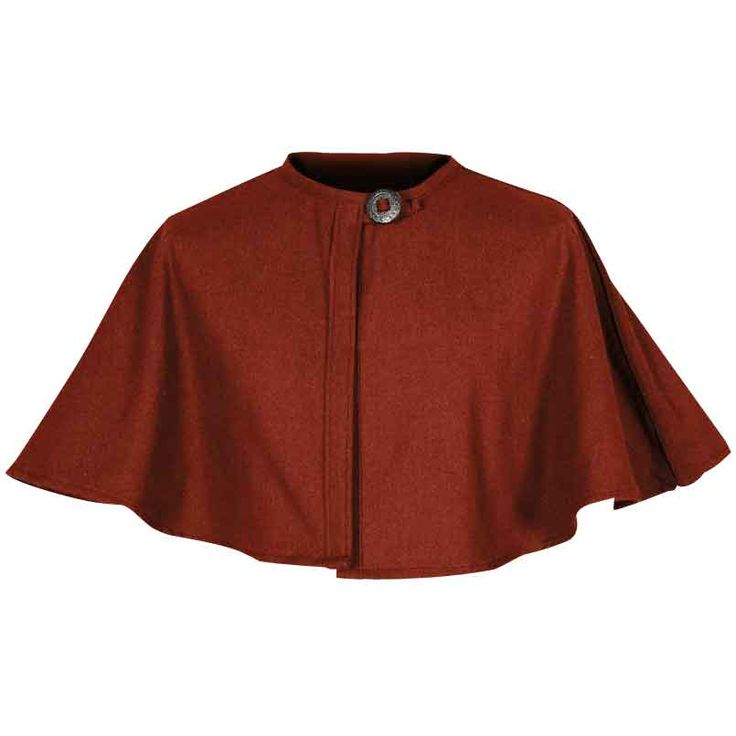
That’s exactly where a short cape steps up. It quietly skips the parts that cause all the grief, like the overhead reaching and the fumbling with fasteners yet still keeps you warm. So, let’s walk through why short capes have become the top choice for people with mobility issues. That’s not all, we will also learn ways to tell a good one from the rest.
Understanding Mobility Clothing Solutions
First, a quick bit of background because if we move ahead without understanding mobility clothing solutions, we might end up in a lot of confusion. In a nutshell, adaptive clothing or mobility clothing solutions are regular clothing that’s been redesigned for bodies that move a little differently. Yes, they look just like your typical clothing that you wear normally. But, they come with smarter details like easy closures, open backs, and roomy cuts. Which, of course, makes getting dressed take less effort and results in less pain.
Outerwear, especially, deserves extra thought, because it’s the hardest layer to manage. A coat goes on over everything else, it’s heavier, and it usually comes with zips or buttons that can be troublesome for stiff hands. That matters more than you’d think, given how common joint trouble is. Now to the shocking part, as per clinical research, the most common chronic condition in Canada is ARTHRITIS. And I’m pretty sure, we do know at least one loved one that’s suffering from it. And not to forget, anyone with limited reach, weak grip, or even patients recovering from surgery or a stroke feels the frustration the moment they need to wear a jacket.
What Makes Short Capes Different from Traditional Jackets?
So, what actually sets a short cape apart from the coat hanging by your door?
At first glance, a short cape might just look like stylish outerwear. But the moment you actually put one on, it just clicks. Everything about the shape is built around ease rather than structure. There are no tight tubes to force your arms into and no rigid fit fighting your every move. It simply sits on you and gets on with the job, which is honestly a small joy when you’re used to a coat that puts up a fight. Here’s what that looks like in real life:
- Simpler Design For Easier Dressing
- Less Restrictive Than A Regular Coat
- Comfortable Sitting or Standing
- Lightweight But Practical
Why Short Capes Have Become a Popular Adaptive Clothing Choice
Once you’ve felt how easy a cape is to wear, its popularity honestly makes complete sense. This isn’t a passing trend, and it certainly isn’t a design people simply put up with because they have to. Folks reach for these because they take the stress out of ordinary moments, and over a lifetime of mornings, that adds up to something real. A handful of reasons come up again & again:
- Easier To Put On & Take Off: Over the shoulders & you’re done, no hauling your arms up over your head.
- More Comfortable For Everyday Wear: Soft & loose, so nothing pinches or presses even after a long day in it.
- Better For Assisted Dressing: A carer can pop it on in seconds, with no tugging or lifting to line up a sleeve.
- Stylish Without Giving Up Function: People read it as a style choice, not a mobility aid, because it honestly is one.
Benefits of Short Capes for Different Mobility Needs
Here’s something worth holding onto, though: no two people are dealing with quite the same thing. What feels like a lifesaver to one person might be a nice little bonus to another. And that’s really part of the magic of a short cape, it bends to fit all sorts of very different needs without asking anyone to compromise. Let’s look at a few of them:
- For Wheelchair Users: There’s no fabric to sit on or bunch up behind the back, & it stays neatly in place while seated.
- For Women with Arthritis: No stiff zips or tiny buttons to battle, which is a real relief for sore, tender hands.
- For Stroke Recovery: A weaker arm never has to be forced through a sleeve, it simply rests comfortably underneath.
- For Seniors: It’s light, warm, & easy to manage alone, which quietly protects that all-important sense of independence.
How to Decide Which Option Is Right for You or Your Loved One
Honestly, there’s no single right answer here, & anyone who says otherwise is overselling it. The best choice comes down to the person, their comfort, & what their days actually look like. So rather than guessing, it helps to sit with a few honest questions before deciding:
- Look At Current Mobility: How much reaching, gripping, & bending can they manage comfortably right now?
- Think About Daily Help: Is someone assisting with dressing, & how tough is it on them?
- Put Comfort & Safety First: If getting dressed brings pain or unsteadiness, that’s really your answer.
- Choose What Supports Confidence: The best option is whichever one lets them still feel like themselves.
Features to Look for in a Quality Adaptive Short Cape
Now, before you go and grab the first cape you spot, here’s a small word of caution. Not every one out there is made with the same care. Remember that the gap between a thoughtful design & a cheap gimmick tends to hide in the details. A good short cape should feel lovely to wear, go on without a fuss, and still look like something you’d actually choose for yourself. So as you browse the short capes, keep an eye out for these:
- Soft, Comfortable Fabric
- Easy-To-Use Closures
- Lightweight Build
- Freedom of Movement
- Easy Care
- Less Maintenance Required
- Fashionable Design for Everyday Wear
Choose the Right Short Cape for Everyday Life from Kayden Design’s Short Capes Collection!
When it comes down to it, the “best” coat was never about looking the most impressive on a hanger. It’s about which one gets you out the door with the least fuss and the most comfort, & still leaves you feeling like yourself. For a great many people with limited mobility, a short cape quietly ticks every one of those boxes. No zip fights, no sore shoulders, just something you can throw on, and then forget you’re even wearing.
That idea, that comfort and dignity should never have to be a trade-off, and that is the whole reason why Kayden Design exists. Every cape they make is handcrafted right there on Vancouver Island, sewn from soft, breathable fabric & shaped around how people genuinely live & move. So, if your current coat has slowly become more of a chore than a comfort, you need to visit them to witness what the right one can do. Have a wander through their short capes collection & find the piece that feels made for your day.
And if you’d rather see it in person, their Parksville door is always open, you can even bring in a jacket you already love and they would adapt it into something you’ll reach for every single morning.
Frequently Asked Questions (FAQs)
Q1. Do adaptive clothing items make dressing and undressing easier?
For most people, yes, & often by a lot. Once the fiddly fasteners & the reaching are gone, what used to be a slow, painful routine can take barely a minute.
Q2. What are the key features of adaptive short capes?
A short cape usually skips sleeves altogether and drapes over the shoulders, with easy magnetic or snap closures. Moreover, add soft, lightweight fabric with a roomy cut, you’ve got a cape that goes on in seconds even for people with restricted mobility.
Q3. What is the purpose of short capes in adaptive clothing?
Well, they of course give you warmth and style without the struggle of a coat. No arms overhead, no zips to fight, just something you can throw on easily, whether you’re seated, standing, or getting a hand from a carer.
Q4. What clothing tailored to accommodate people with disabilities are commonly known as?
It’s known as adaptive clothing. Same clothes you’d wear anyway, just built with smarter closures & shapes that make dressing simpler for anyone with mobility or dexterity challenges.



