

Think about opening your closet each morning, seeing your favorite sweater, and realizing that putting it on means twenty minutes of painful struggling with stiff, uncooperative, and narrow armholes. Generally, layering referred to just grabbing a cardigan on the way out the door to protect yourself from the cold. But for someone with limited mobility, it means something totally different. And for millions of adults, layering capes is the most difficult part of their day, not some rare rough day.
The numbers back this up more than you’d think. An estimated 1.3 billion people worldwide live with a disability, and roughly 75% of them say they still cannot find everyday clothing that actually fits how their body moves. The demand is growing too, noting that topwear alone makes up more than 30% of the growing adaptive fashion market.
Undoubtedly, finding comfort shouldn’t mean compromising on independence or style, either. And that’s exactly why adaptive layering has become such a relief for so many households. It flips the script by using smart closures, open fronts, and soft stretch fabrics that slide on effortlessly. Instead of fighting your clothes, you get cozy, adaptable warmth that moves naturally with your body throughout the day. Come let’s look at how adaptive capes make everyday dressing simple again for people with limited mobility.
What Makes Adaptive Layering Comfortable for People With Limited Mobility?
Before we move on to what makes adaptive layering so comfortable for people with mobility challenges, we need to understand the shocking reality behind it. As per one statistic, 27% of Canadians aged 15 and older, which means approx. 8 MILLION, live with at least one disability. This all means that common issues are flexibility and mobility, affecting roughly 1 in 7, making stacking on a cardigan a genuine struggle.
So now adaptive clothing makes more sense, and to summarize, they are clothes designed with smart modifications such as magnetic closures, open fronts, or extra stretch just to make putting on and taking off much easier. Instead of pulling heavy fabrics over your head or forcing stiff arms into tight sleeves, these pieces wrap around your body effortlessly while keeping physical exertion to a minimum.
The thing is, when mobility is limited, standard clothing layers simply don’t work. Stiff jackets and thick knits bunch up behind your back, pinch around your shoulders, and restrict your circulation when you sit for long periods. And in case you rely on a caregiver, then even the dressing process is uncomfortable and frustrating for both.
True adaptive comfort really comes down to four basics: soft fabrics, ease of dressing, natural stretch, and total accessibility. When a cape moves with your body, you get all the cozy warmth without ever feeling weighed down or trapped in your own clothes.
Which Features Should Comfortable Adaptive Layers Have?
Not every “adaptive” label actually delivers on comfort.
Some garments can check every adaptive box on paper and still be uncomfortable to actually wear. Well, what separates a cape that people with limited mobility reach for every time from one that stays in the closet usually comes down to a handful of practical details. So, keep an eye out for these when checking a product page:
- Fabric that feels soft and breathable, not scratchy against sensitive skin
- A lightweight build that never adds unnecessary bulk or strain
- Enough stretch to move with the body instead of holding it back
- Closures a person can manage even with limited grip or dexterity
- A relaxed fit through the shoulders and arms, with nothing pulling
- Slim layering that avoids extra bulk stacking up underneath
- A design that comes off just as easily as it goes on
- Garments that reduce physical strain whenever caregivers help
What Are the Best Adaptive Layering Options for Limited Mobility?
Different adaptive layers serve distinct purposes depending on how much movement you have and how you plan your day. Here is how the most popular options compare:
| Layering Option | Primary Comfort Feature | Dressing Difficulty | Best Suited For |
| Adaptive Cardigans | Magnetic or snap fronts | Very Low | Daily indoor warmth and easy caregiver access |
| Open-Front Tops | No overhead pulling needed | Very Low | Seated dressing and sensitive skin conditions |
| Adaptive Vests | Warmth without extra fabric around the arms, or sleeve restriction | Low | Unrestricted arm movement and active days |
| Adaptive Capes | Drapes effortlessly over shoulders | Minimal | Wheelchair users and severe arm movement limits |
| Lightweight Jackets | Easy-zip fasteners and flexible shoulders | Low to Moderate | Outdoor trips and unpredictable weather |
| Adaptive Sweaters | Soft knits with split or open backs | Low | Cozy indoor relaxation and seated alignment |
Are Open-Front Layers Easier to Put On With Limited Mobility?
Think about how much energy goes into pulling a standard sweater over your head when your shoulders are stiff. Open-front garments bypass that physical wrestling match altogether. Since the garment opens up wide, you don’t have to raise your arms high or twist your elbows. You just glide your arms in while sitting comfortably and fasten the front.
This approach is a massive relief if someone helps you dress every day. With over 7.8 millions of family caregivers stepping in to support loved ones with daily routines, reducing physical strain matters for everyone involved. Instead of a long, exhausting struggle with tight fabric, an open-front layer glides into place in just a few seconds. Additionally, a caregiver can help you get ready without pulling on sore joints or causing sudden discomfort, reducing the everyday struggle of roughly 15 mins to just 30 seconds or 1 minute.
- Reduces shoulder rotation and elbow bending significantly during morning routines
- Works exceptionally well for people dressing from a wheelchair or bed
- Eliminates the claustrophobic feeling of pulling tight collars over your head
- Gives caregivers fast, gentle access to adjust garments or assist with personal care
How Do Adaptive Capes Help With Comfortable Layering?
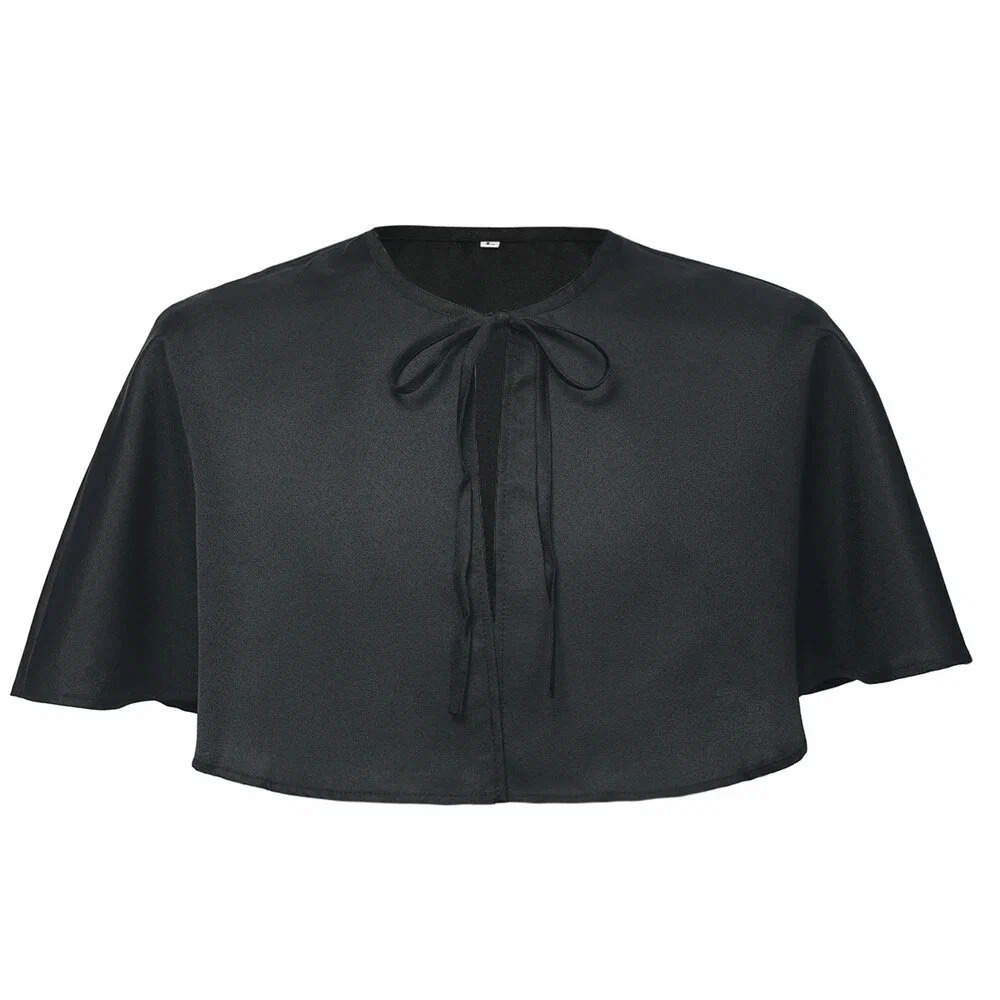
Capes are arguably the most versatile layering piece available even for people with limited mobility. So, there’s no need to force your arms through narrow, rigid sleeve openings; an adaptive cape simply drapes over your shoulders and closes at the front, wrapping comfortably around your torso.
Beyond that, for wheelchair users and people with severe shoulder stiffness, capes are visionary yet completely accessible. They’re easy to slip on and off in seconds, without the struggle of pulling sleeves over stiff arms.
Being a complete game changer, they not only provide instant warmth; they lie flat without the physical wrestling associated with traditional coats or heavy sweaters. This makes it one of the simplest layering options for anyone with restricted arm movement or limited hand strength.
What Fabrics Are Best for Comfortable Adaptive Layers?
A sweater can feel fine for the first 5 minutes and unbearable an hour later, and fabric is usually why. Stiff, heavy materials trap heat, resist movement, and bunch up the moment you sit down for a while. Lighter, breathable fabrics do the opposite, holding warmth without turning every movement into a small negotiation with your clothes.
When shopping for adaptive layers, here are a few things worth checking on the product page:
- Softness against the skin, especially for anyone with sensitivity or reduced circulation
- Breathability that prevents overheating during long periods of sitting
- Lightweight warmth without the bulk of heavier materials
- Stretch that allows natural movement without restriction
- Easy washing, since practical care matters as much as comfort
- Materials that will not feel stiff or heavy after hours of wear
This matters even more for anyone dealing with joint stiffness or a weaker grip. Because about 1 in 5 adults live with arthritis, and that number alone explains why something as ordinary as getting dressed can turn into a genuine daily struggle, stiff fastenings and tight sleeves included. No fabric fixes every obstacle on its own. But the right material, paired with thoughtful design, takes a real bite out of the pulling and resistance that makes dressing harder than it has to be.
How Should Adaptive Layers Fit for Limited Mobility?
Fit is the part people underestimate until it’s too late: a garment that seemed comfortable in the fitting room, only to pull at the shoulders or bunch up an hour into wearing it. With adaptive clothing, getting this right isn’t optional, and that’s why before anything new goes in the wardrobe, it’s worth running through a quick checklist:
✅ Allows full, unhindered arm movement without pulling across your upper back.
✅ Features wide shoulder seams and roomy armholes to prevent tight pinching.
✅ Avoids thick bunches of fabric behind the waist or lower back when seated.
✅ Leaves enough room underneath to layer comfortably over basic tees or camis.
✅ Sits smoothly over your lap if you use a wheelchair, avoiding long dragging hems.
✅ Opens and closes smoothly without requiring fine finger dexterity or strong grip strength.
Which Adaptive Layers Work Best for Different Daily Needs?
Matching your clothes to your daily routine keeps you comfortable whether you are relaxing at home or heading out for appointments.
| Daily Needs | Recommended Adaptive Layer | Why It Works |
| Staying Warm Indoors | Soft open-front cardigan | Provides cozy warmth with easy adjustments |
| Wheelchair Use | Adaptive fleece cape | Eliminated back bunching and stays clear of rolling wheels |
| Limited Arm Movement | Open-back adaptive tops | Slips on easily from the front without bending stiff joints. |
| Assisted Dressing | Magnetic-closure vests | Allows caregivers to secure closures quickly without fuss. |
| Outdoor Activities | Weather-resistant adaptive jacket | Keeps wind out while offering flexible shoulder room. |
| Varying Temperatures | Lightweight unzipped capes and cardigans | Easy to slide off your shoulders the moment you feel warm. |
What Should You Consider Before Choosing an Adaptive Layer?
Before buying new adaptive pieces, take a moment to assess your specific daily routine. Keep in mind that you don’t need to sacrifice your personal style for functionality, so take into consideration:
✅ Current mobility level and range of arm movement
✅ Whether dressing assistance is typically needed
✅ Indoor or outdoor use, and expected exposure to weather
✅ Desired level of warmth for the season
✅ How the fabric actually feels against the skin
✅ How accessible the closures are to use independently
✅ Whether it fits comfortably over existing clothing
✅ How easily it comes off when needed
Explore Comfortable Adaptive Layering Options for Everyday Wear
Getting dressed shouldn’t force you to choose between looking good and feeling comfortable. Thoughtfully made adaptive clothes give you warmth, physical ease, and personal independence every day without the usual morning hassle. Swapping rigid items for smart, flexible layers turns what used to be a frustrating routine into a quick, stress-free part of your day.
Finding brands that truly understand these daily challenges can be tough, but Kayden Design builds every piece with limited mobility in mind. From soft, breathable knits to accessible cuts, their garments make dressing easier rather than harder. If you are ready to update your wardrobe with practical, high-quality options, check out their capes and accessories collection for stylish, functional outerwear designed for everyday wear.
Frequently Asked Questions (FAQs)
Q1. What are some examples of adaptive clothing for adults with special needs?
Open-back tops, magnetic-closure cardigans, side-zip pants, and capes all fall into this category. Brands like Kayden Design leans into pieces like easy-drape capes and soft open-front layers specifically, cutting out the overhead pulling and sleeve-wrestling that make regular clothing hard for adults with mobility challenges.
Q2. What kind of adaptive clothing is available for people with disabilities?
Today, you can find adaptive versions of almost everything, including magnetic jackets, elastic-waist trousers, seated-fit outerwear, and sensory-friendly base layers. If you’re struggling where to start, then options from Kayden Design focus on blendable, modern layers that provide warmth, easy caregiver access, and non-restrictive fits for everyday wear.
Q3. Where can I buy adaptive clothing for seniors?
You can purchase high-quality adaptive clothing directly online from specialized retailers, and one of them is Kayden Design. Their online store offers accessible cardigans, capes, and daily accessories designed specifically to help seniors and individuals with limited mobility dress comfortably and independently.
Q4. What is a good clothing brand for wheelchair users?
Kayden Design is an excellent choice for wheelchair users because their adaptive capes and open-front layers avoid bulky fabric accumulation behind the back. Their designs drape naturally over the shoulders and lap, preventing garments from bunching up or interfering with wheelchair wheels.



