

Will it fit? Will it show? Will it feel comfortable? After stoma surgery, getting dressed can raise new questions.
As you adjust to life with a stoma, you may start to think about everyday clothing differently. Concerns about movement, waistbands, visibility, and personal style can surface early. For many people, those concerns mean choosing clothes that feel comfortable and secure.
But clothing doesn’t have to be restrictive or purely functional. With the right adaptive pieces and stoma bag covers, you can dress for comfort and still look like yourself.
Why Choosing Clothing Can Become More Difficult with a Stoma Bag
Clothing gets harder to choose after surgery because the abdomen changes shape, the pouch needs room, and pressure near the stoma causes discomfort. So the sizes and cuts you trusted before no longer feel comfortable. Visibility adds another concern since many people worry that a fitted top will outline the pouch in a crowded room.
But comfort and practical concerns matter just as much as appearance. According to a 2026 scoping review in Nursing Reports, stoma leakage outside the baseplate can allow effluent to escape beyond the appliance and soil clothing or linen.
With those concerns in mind, darker fabrics and looser cuts can start to feel safer, and rebuilding a wardrobe can become a slow, careful process.
5 Common Clothing Challenges When Living with a Stoma
5 clothing problems after stoma surgery are often more about pressure, coverage, and confidence than style. Once you know which garments cause trouble, wearing clothes becomes far less stressful. Here are 5 challenges that come up again and again.
- Standard clothing cuts rarely leave much room for a filling pouch, so the fabric can feel tight around the pouch by evening.
- Tight waistbands can press against the pouch, making it uncomfortable and leaving less room as the pouch fills.
- Low-rise pants often sit below the stoma, which leaves the pouch above the waistband with little support.
- Choosing discreet outfits for weddings, work, or dinners can take far more planning than it used to.
- Bulky fabrics make the pouch area feel heavier and warmer against the skin.
What to Look for in Stoma-Friendly Clothing
Stoma-friendly clothing leaves room for the pouch to fill, keeps pressure off the stoma, and makes dressing easier. This is especially beneficial for elderly men who need assistance in dressing. 5 features matter most.
- Easy-to-put-on styles make dressing easier on days when bending or reaching hurts
- Comfortable, flexible fits move with you instead of pressing tightly around the waist
- Discreet designs help make the pouch less noticeable under everyday outfits
- Roomy cuts around the pouch help the fabric sit smoothly as the pouch fills
- Soft, breathable materials like cotton sit gently against sensitive skin
Those same features help anyone who needs a hand getting dressed, which is why open-back tops turn up in dressing assistance guidance for elderly men.
Clothing Options to Consider After Stoma Surgery
The most useful options after stoma surgery combine soft fabric, gentle waistbands, and enough room across the abdomen, while stoma bag covers provide extra coverage for the pouch. Here are 4 categories worth building your wardrobe around.
- Adaptive tops: Open-back and front-fastening styles are easier to put on without lifting your arms high or twisting your torso.
- Adaptive pants: Higher, softer waistbands sit above the stoma without pressing on it.
- Layering pieces: Capes and loose overlays help cover the pouch area during outings and add warmth on cooler days.
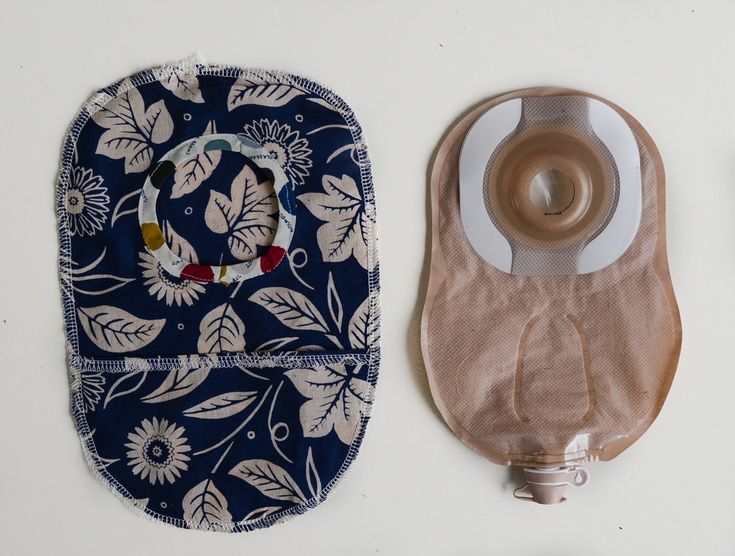
- Stoma bag covers: A cotton cover fits over the pouch, helps keep the contents out of sight, and adds a soft layer between the pouch and your clothes
Comfort and appearance work together here, which is why many people notice their confidence after stoma surgery returns as the wardrobe settles.
Common Mistakes to Avoid When Choosing Clothing for a Stoma
These are 5 of the most common habits that can make dressing harder than it needs to be.
- Assuming that all stoma wearers have the same clothing needs can lead to advice that doesn’t suit everyone.
- Choosing accessories without checking how they fit under your clothes adds unnecessary bulk.
- Ignoring your own taste leaves you with a dull, purely practical wardrobe.
- Buying clothing that fits too tightly puts extra pressure on the pouch.
- Prioritizing style over comfort can make for uncomfortable days.
Explore How Stoma Bag Covers Can Help with Clothing Challenges After Surgery!
Dressing with a stoma comes down to room, softness, and pieces that suit you. When clothing gives the pouch enough room and a stoma bag cover helps keep the pouch discreet, getting dressed can feel much easier.
That’s where Kayden Design comes in, offering open-back adaptive clothing and cotton stoma bag covers in a range of prints.
You can stay comfortable while still dressing in a way that feels like you. Browse the collection and choose a cover that works with your wardrobe.
Frequently Asked Questions (FAQs)
Q1. How to wear clothes with a stoma bag?
Choose clothing that sits comfortably above or below the stoma without pressing on the pouch. Soft fabrics, higher waistbands, and a stoma bag cover help you stay comfortable throughout the day.
Q2. What are the work restrictions for someone with a stoma bag?
Most people return to work after stoma surgery, though heavy lifting may need medical clearance because of hernia risk. Your surgeon or stoma nurse can set your work limits based on your recovery and your role’s demands.
Q3. What are the best clothes to wear when you have a stoma?
Soft, breathable clothes with flexible waistbands work well, especially high-waisted pants, loose tops, and layering pieces that sit loosely around the abdomen. Adaptive designs give the pouch more room while keeping the outfit looking like everyday clothing, and stoma bag covers help keep the pouch discreet.
Q4. Is living with a stoma difficult?
The first few months can take some getting used to, as you learn to manage leakage concerns, adjust your wardrobe, and make daily care part of your routine. For many people, things get easier as confidence grows, and they return to work, travel, and social activities.



