

A jacket may seem like the obvious choice. But is it the easiest one?
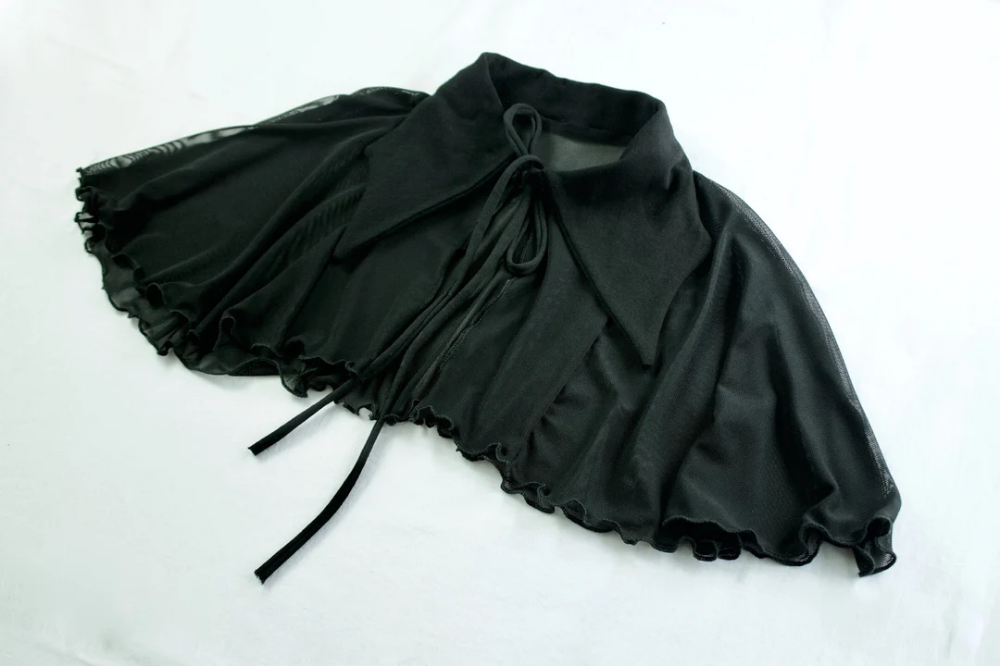
For someone who needs help getting dressed, warmth and appearance aren’t the only factors. The sleeves, however, can be the hardest part of getting dressed. Someone with limited mobility in the arms, shoulders, or hands may struggle to get an arm through a sleeve, so the caregiver may need to lift and guide the person’s arm. For that reason, some families explore short capes accessories instead since a cape goes over the shoulders without requiring the arms to pass through sleeves.
Still, neither garment is the better choice in every situation. The comparison below looks at both based on what makes dressing easier so the decision fits the person, not just the season.
Why Outerwear Choice Matters in Caregiving
Outerwear makes a big difference in how much effort dressing takes each day. A garment that requires twisting, reaching, and gripping can tire the person being dressed and add extra physical work for the caregiver.
Because of that extra workload, dressing is easier when clothing settles into place in one motion. Just as importantly, the person stays covered and comfortable, not just warm.
What Are Adaptive Short Capes?
Adaptive short capes are sleeveless outer layers that sit over the shoulders and upper back. Designers cut them to open at the front, so the garment can go over the body instead of being pulled around the arms.
Because the short cape goes over the shoulders (drop-on design), the wearer can put it on while seated and then fasten it near the neck. That easier dressing process helps someone with restricted shoulder movement, one-sided weakness, or sore joints.
What Makes Traditional Jackets Challenging During Caregiving?
Jackets require movements that are difficult with limited mobility, and every sleeve or fastener adds another step. 4 problems come up most often.
- Pushing an arm through a sleeve requires shoulder rotation that can be difficult with limited mobility
- Buttons and zippers require finger control that arthritis can make difficult.
- The jacket bunches up behind the back whenever someone remains seated during dressing.
- Taking the jacket off creates many of the same difficulties in reverse.
Short Capes vs Jackets: Key Differences
Short capes and jackets differ mainly in sleeves, closures, and how much help each one needs.
| Feature | Short cape | Traditional jacket |
| Sleeves | None | Two, often narrow |
| Putting it on | Drops over shoulders | Threads through both arms |
| Arm movement | Minimal | Shoulder rotation required |
| Fasteners | One neck closure | Zipper or button row |
| Seated wear | Sits flat | Gathers at the back |
| Removal | Quick lift off | Slower, arm by arm |
| Caregiver effort | Light | Higher and hands-on |
| Access for care | Front opens easily | Sleeves block access |
| Warmth | Neck, shoulders, back | Torso and arms |
When a Short Cape May Be Better for Caregiving
Short cape accessories work well when dressing happens often, takes place while seated, or requires help from a caregiver. 5 situations make that choice especially useful.
- Limited arm mobility makes getting through sleeves a struggle.
- Dressing in a chair helps keep the fabric free from bunching behind the back.
- Short cape accessories make frequent layering easier because they come off quickly.
- Caregivers who dress several people can save time with a garment that goes on in one motion.
- For some people, comfort and free movement matter more than having full sleeve coverage.
When a Traditional Jacket May Still Be the Better Choice
Jackets still win in certain conditions, and overlooking those needs would leave someone underdressed. Four situations make a jacket the better choice.
- Cold outdoor weather calls for sleeves and full torso coverage.
- Activities like walking outdoors require arm protection from wind.
- Anyone who dresses independently may prefer the familiar garment.
- Personal style and an existing wardrobe can matter too.
How do Short Capes Make Caregiver-Assisted Dressing Easier?
A short cape removes the steps that add strain during assisted dressing. 5 changes make assisted dressing easier day to day:
- Lowering a cape onto the shoulders avoids lifting arms overhead.
- The wearer only needs one adjustment at the neckline instead of several.
- Caregivers stop bracing and lifting limbs through narrow openings.
- The caregiver finishes dressing faster, which helps during busy morning routines.
- The wearer stays covered throughout the dressing process.
5 Different Mobility Needs That Benefit From Short Capes
Different mobility needs change what makes a cape work. 5 profiles cover most caregiving situations, and each one asks something slightly different from the garment.
| Who it suits | What matters most |
| Wheelchair users | Seated comfort and fabric that stays clear of wheels |
| Women with arthritis | Less gripping, reaching, and shoulder movement |
| Stroke survivors | One-sided weakness and assisted dressing |
| Elderly women with reduced mobility | Simple wear, comfort, and independence |
| Home and long-term care | Repeated dressing rounds and caregiver time |
Explore Short Capes Options & See Which One Fits Your Situation!
Choosing between a cape and a jacket depends on who wears it and how often they need help getting dressed. Sleeves, fasteners, and how the garment fits while seated matter more than the label, so thinking about the morning routine makes the choice easier.
For families looking for an alternative to sleeves, Kayden Design builds open-back adaptive clothing for people with limited mobility. Its short capes accessories come in unisex sizing and feature a high collar and soft polar fleece. Browse the range, choose a color that works with your wardrobe at home, and order the style that fits your routine.
Make comfort a priority before the cold season arrives. Explore our collection now!
Frequently Asked Questions (FAQs)
Q1. What are the features of adaptive short capes?
Adaptive short capes have no sleeves and drape over the shoulders and upper back. Common features include a high collar for neck warmth, a single front closure, and shrink-resistant fabric.
Q2. What makes short capes different from traditional jackets?
A jacket covers the torso and requires both arms to pass through sleeves, which adds more movement and effort during dressing.
Q3. What’s the point of wearing a cape?
A cape adds warmth across the neck, shoulders, and back while leaving the arms free. That can help people who dress while seated and anyone who needs help getting dressed since the cape doesn’t require arms to pass through sleeves.
Q4. Are capes beneficial for wheelchair users?
Short capes can work well for wheelchair users because they cover the upper body without extending far over the lap, keeping fabric clear of the wheels.



